"Mold inspection" means different things to different people. To one homeowner it means someone looks at the wall. To another it means air samples sent to a lab. Before you book anything, it helps to know what each version covers, what it cannot tell you, and what Colorado does and does not require.
What a Visual and Moisture Inspection Is
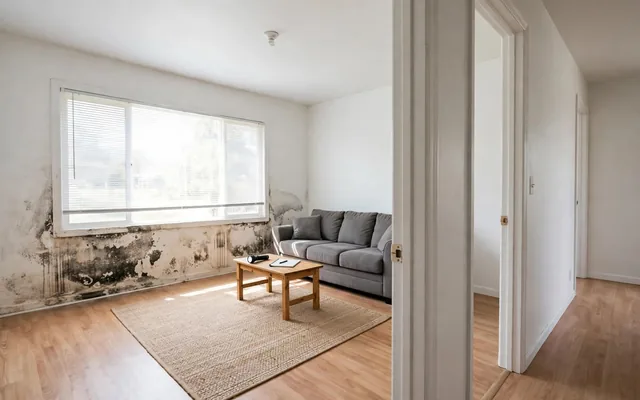
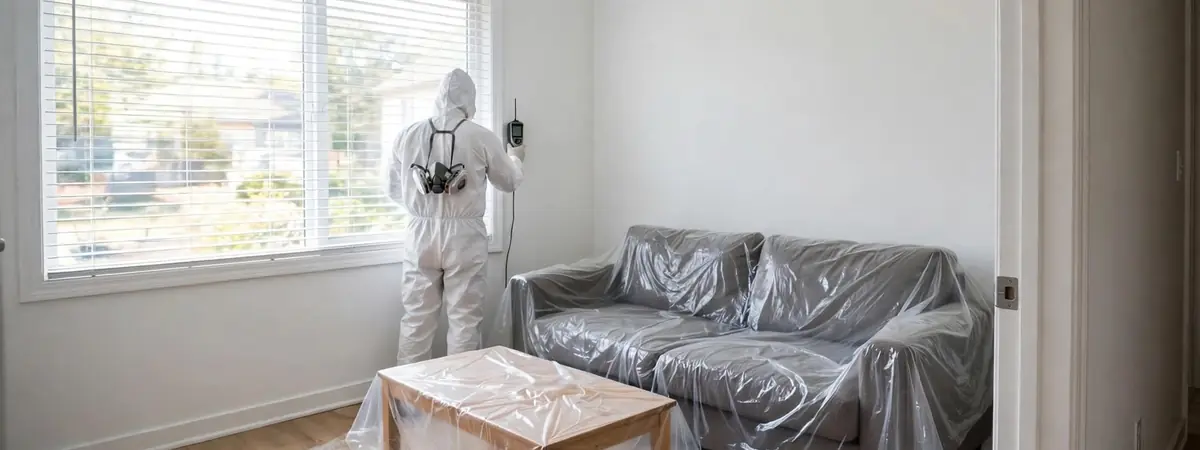
A visual and moisture inspection is what we do at the start of every job. A technician looks at the area you are worried about, the rooms next to it, and the places water might come from. They use a moisture meter to find damp materials that look dry, and they note what they see.
The goal is practical. Where is the mold? How far does it go? What is wet? Where did the water come from? The answers shape the plan and the price.
What It Does Not Tell You
A visual inspection does not identify the mold species, and it does not measure how many spores are in your air. It also does not diagnose health problems. Those are separate questions that need a laboratory or a doctor.
The CDC says that in most cases, if you can see or smell mold, there is no need to take samples, because the mold should be removed either way. Species identification rarely changes the cleanup.
When Sampling Makes Sense
There are situations where a sample is useful.
- You smell mold, but cannot find it
- A dispute with a landlord, seller, or contractor needs documentation
- A sensitive person is ill and a doctor wants more information
- You want a record before and after a cleanup
If you choose to test, ask the sampler to explain the method, where samples will be taken, which lab will analyze them, and how the results will be read. A number with no context can mislead.
Colorado Does Not License Mold Inspectors
Colorado has no state license for mold inspectors or remediators. That puts more weight on your own questions. Ask any company you consider:
- Are you insured, and can I see proof?
- What training do your technicians have?
- What exactly does the inspection include?
- Is it free, and what does the estimate cover?
- Do you take samples? If so, who analyzes them?
- Do you also do the remediation, and how do you handle that overlap?
- Will you give me a written scope?
Voluntary industry credentials exist, and a company may hold them, but they are not a state license.
How to Prepare for the Visit
- Write down when you first noticed the problem
- Note any leaks, floods, storms, or repairs in the past few years
- Clear space around the area, and move stored items if you can
- Take photos with a coin or tape measure for scale
- Tell the technician if anyone in the home has asthma, allergies, or a weak immune system
- Mention the age of the house, because older materials may need special care
What to Expect on the Day
The technician will talk with you first, then look at the area. Expect a flashlight, a moisture meter, and sometimes a thermal camera or a small inspection hole. They will check basements, window wells, roof edges, ceilings, and plumbing near the stain. Afterward you should get an explanation of what they found and what the options are.
What You Should Get Afterward
- A plain description of where mold and moisture were found
- The likely cause of the water
- A written estimate with clear pricing, if work is needed
- Honest advice on repairs that belong to a plumber, roofer, or other trade
- Photos or notes you can keep
Red Flags
- Pressure to sign the same day
- A price for remediation before anyone has looked
- Claims that one product will "kill" all the mold
- Refusal to put the scope in writing
- Promises that mold will never return
Common Questions
Is a mold inspection the same as a mold test?
No. An inspection is a visual and moisture check. A test involves samples sent to a lab.
Can an inspection find hidden mold?
It can point to it. A moisture meter can show damp areas behind a wall, and a small opening can confirm it. Nothing finds every hidden spot with certainty.
How long does an inspection take?
A single room or area often takes an hour or less, while a whole house or a large building takes longer. Ask when you book.
Next Step
If you want a visual and moisture inspection in Littleton, tell us what you see and where. We give a free estimate with clear pricing. For how the work itself proceeds, read our mold remediation page, and see FAQs for more answers.
Address: 8752 Cedarwood Ln, Littleton, CO 80126
Licensed and insured. Free estimates.
More Guides